
Ledger Live Desktop® — Getting Started | Official Ledger
Get familiar with Ledger Live Desktop through a user-friendly overview covering wallet connectivity, account management, portfolio tracking, application installation, device updates, and transaction verification for everyday crypto management.
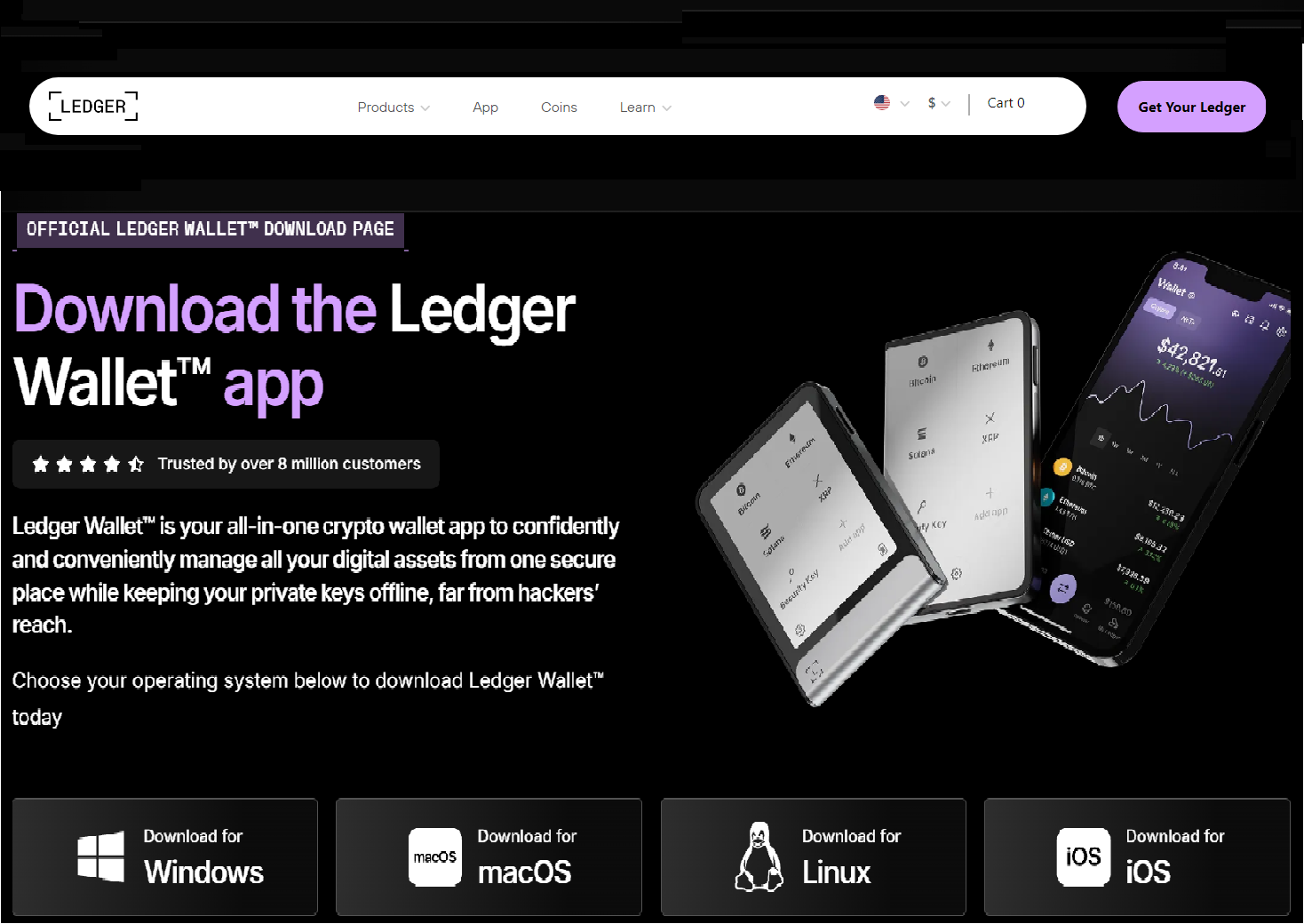
Ledger Live Desktop: Complete Guide for Secure Crypto Management
Cryptocurrency users often need a reliable way to monitor their accounts, review transactions, and interact with a hardware wallet from a computer. Ledger Live Desktop offers a dedicated desktop environment for managing supported digital assets while working with a compatible Ledger hardware wallet.
For someone new to cryptocurrency, terms such as private keys, blockchain applications, wallet accounts, recovery phrases, and transaction signing can initially seem difficult. Understanding the purpose of each part can make wallet management more straightforward and help users develop better security habits from the beginning.
What Is Ledger Live Desktop?
Ledger Live Desktop is desktop wallet-management software designed to work alongside compatible Ledger hardware wallets. It provides an interface for accessing supported cryptocurrency accounts and using available wallet-management features.
The software does not function as a replacement for the physical hardware wallet. Instead, the two components have separate roles. Ledger Live Desktop provides the computer-based interface, while the hardware wallet is designed to protect private keys and handle sensitive authorization operations.
Digital assets are recorded on blockchain networks rather than stored directly inside the desktop application. The wallet software helps users interact with those networks through supported accounts and services.
Why Choose a Desktop Wallet Interface?
Managing cryptocurrency on a computer can provide a more comfortable experience for users who regularly monitor their accounts. A larger display can make it easier to examine balances, transaction records, account information, and wallet settings.
Ledger Live Desktop can also provide a centralized environment for supported wallet activities. Depending on the current version and supported assets, users may be able to manage accounts, install blockchain applications, review activity, and initiate supported transactions.
For people with multiple cryptocurrency accounts, having these functions available through one desktop interface can make everyday management more organized.
How Ledger Live Desktop Works With Ledger Hardware
The connection between Ledger Live Desktop and the physical hardware wallet is an important part of the overall experience.
The desktop application can display supported account information and prepare transactions. When a sensitive operation requires authorization, the connected hardware wallet can be used to review and approve the request.
This arrangement creates a separation between the computer interface and the private keys protected by the hardware device.
Users should always examine important transaction information directly on the hardware wallet before confirming an operation. Checking the information carefully can help prevent mistakes caused by incorrect addresses, amounts, or network selections.
Getting Started With Ledger Live Desktop
Begin by obtaining the Ledger software through a trusted official source. Cryptocurrency users should avoid downloading wallet applications from unknown websites, unofficial mirrors, suspicious advertisements, or unexpected messages.
After installing the appropriate desktop software, connect the compatible hardware wallet and follow the setup instructions provided by the current application and device.
A new hardware wallet may require initialization before normal account management can begin. This process can involve setting a device PIN and creating or recording recovery information.
Take your time during setup. Do not skip security instructions simply to complete the process faster.
Protecting Your Secret Recovery Phrase
Your Secret Recovery Phrase requires particularly careful protection.
Recovery information can potentially restore access to cryptocurrency accounts if a hardware wallet becomes lost, damaged, or unavailable. For this reason, it should never be treated like an ordinary password.
Never give your recovery phrase to another person. Legitimate support should not require your complete recovery phrase to troubleshoot a wallet.
Avoid entering recovery words into websites, forms, emails, chat messages, social-media conversations, or computer applications unless you have independently verified why the action is required and that it is part of a legitimate recovery process.
Do not keep the phrase in cloud storage, screenshots, online notes, or ordinary computer files. Secure offline storage is generally a much safer approach.
Managing Supported Crypto Accounts
After completing the hardware-wallet setup, Ledger Live Desktop can be used to manage supported cryptocurrency accounts.
Available features depend on the asset, blockchain network, hardware device, and current software version. Supported functions may include checking balances, reviewing transaction history, receiving cryptocurrency, sending assets, and managing blockchain applications.
Before sending funds, carefully verify the destination address, selected network, amount, and other transaction information.
Never assume that an incorrect blockchain address or network can easily be corrected afterward. Many blockchain transactions are permanent once confirmed.
Installing Supported Blockchain Applications
Some digital assets require specific blockchain applications to be installed on the hardware wallet. Ledger Live Desktop can provide tools for managing supported applications.
Only install applications through trusted software channels. Be cautious of websites that offer modified wallet applications or ask users to disable security protections before installation.
A legitimate-looking application can still be malicious if it comes from an untrusted source.
If any unexpected program or website asks for your recovery phrase or PIN, stop the process and verify the request through an official source.
Keeping the Desktop Software Current
Software updates are an important part of maintaining a reliable wallet-management environment. Updates can improve compatibility, introduce features, address bugs, and provide security-related improvements.
However, users should not automatically trust every update message they receive.
Scammers may send fake wallet alerts containing links to counterfeit applications. These messages may use urgent language to encourage users to act without checking the source.
A safer approach is to open the official Ledger website independently and verify current software information rather than following suspicious links.
Common Security Risks to Watch For
Hardware wallets can provide strong protection for private keys, but users still need to recognize common cryptocurrency scams.
Phishing is one major risk. A fraudulent website may imitate a legitimate wallet service and attempt to convince users to enter confidential information.
Fake customer-support accounts are another common concern. Someone may contact a user and claim that a wallet requires verification or recovery. Never provide a Secret Recovery Phrase or PIN to such a person.
Users should also be cautious when connecting their hardware wallets to unfamiliar websites or decentralized applications. Always understand what a signing request authorizes before approving it.
Using Ledger Live Desktop Every Day
Ledger Live Desktop can be useful for routine portfolio monitoring and cryptocurrency account management. Users can check supported account information, review transaction activity, and organize their digital-asset management from a computer.
A convenient interface can save time, but users should not allow convenience to replace careful verification.
When transferring cryptocurrency, review every important detail before signing. For larger transactions, consider taking additional time to confirm the destination and network independently.
Good security practices become more effective when they are applied consistently rather than only after something goes wrong.
Final Thoughts
Ledger Live Desktop provides Ledger users with a convenient desktop interface for managing supported cryptocurrency accounts alongside a compatible hardware wallet. The software makes everyday account management easier while the physical device is designed to provide an additional security boundary for private keys and transaction authorization.
The safest approach begins with careful setup and responsible habits. Use trusted software sources, follow current device instructions, protect your Secret Recovery Phrase, keep software updated, and verify transaction details before approving them.
Users should also stay alert to phishing websites, fake wallet applications, fraudulent support messages, suspicious update notifications, and unfamiliar signing requests.
With consistent security practices and careful transaction verification, Ledger Live Desktop can serve as a practical environment for organizing and managing supported cryptocurrency assets from a desktop computer.
Updated about 3 hours ago